

Patchwork Pups: The Best of Mixed Breeds
What are 'Mixed Breeds'?
Dogs can be either pure-bred or mixed breeds.
A pure-bred dog means that they are genetically 100% a breed standard. Typically these dogs are bred on purpose by dog-breeders to preserve the breed’s standards, and there is a long papered trail showing that they are pure-bred. Thus, many pure-breds are ‘papered’, meaning they have a documented family history and a dog-version of a certificate of authenticity.
Mixed breeds refers to any dog who is two genetically two or more standard breeds. This can happen on purpose, or on accident. Many times, dog breeders will mix two dogs that have desirable traits. Poodles are regularly mixed with labradors, golden retreivers, or other breeds in an effort to make a hypoallergenic dog that is friendly and smart. These are reffered to coloquially as ‘designer dogs’.
Selective breeding is breeding dogs who have desirable traits, in an effort to create amixed breed with all of those traits.
A mixed breed reffers to any dog with two or more breeds within their heritage. Often these different breeds are directly their parents, or there can be generations of different breeds.
A mutt is defined as a dog with so many breed within their genes, that no one breed is identifiable in their looks. Generally it is used as a derogatory term.
Designer dogs are cross-breeds that have been selectively bred for their traits. Most of these dogs are bred for hypoalergenic hair, smarts, obedience, and looks.
These dogs can also be very expensive due to their breeding – usually between $1,000 and $10,000 for a puppy.
Who is Top Dog?



Mixed Breeds


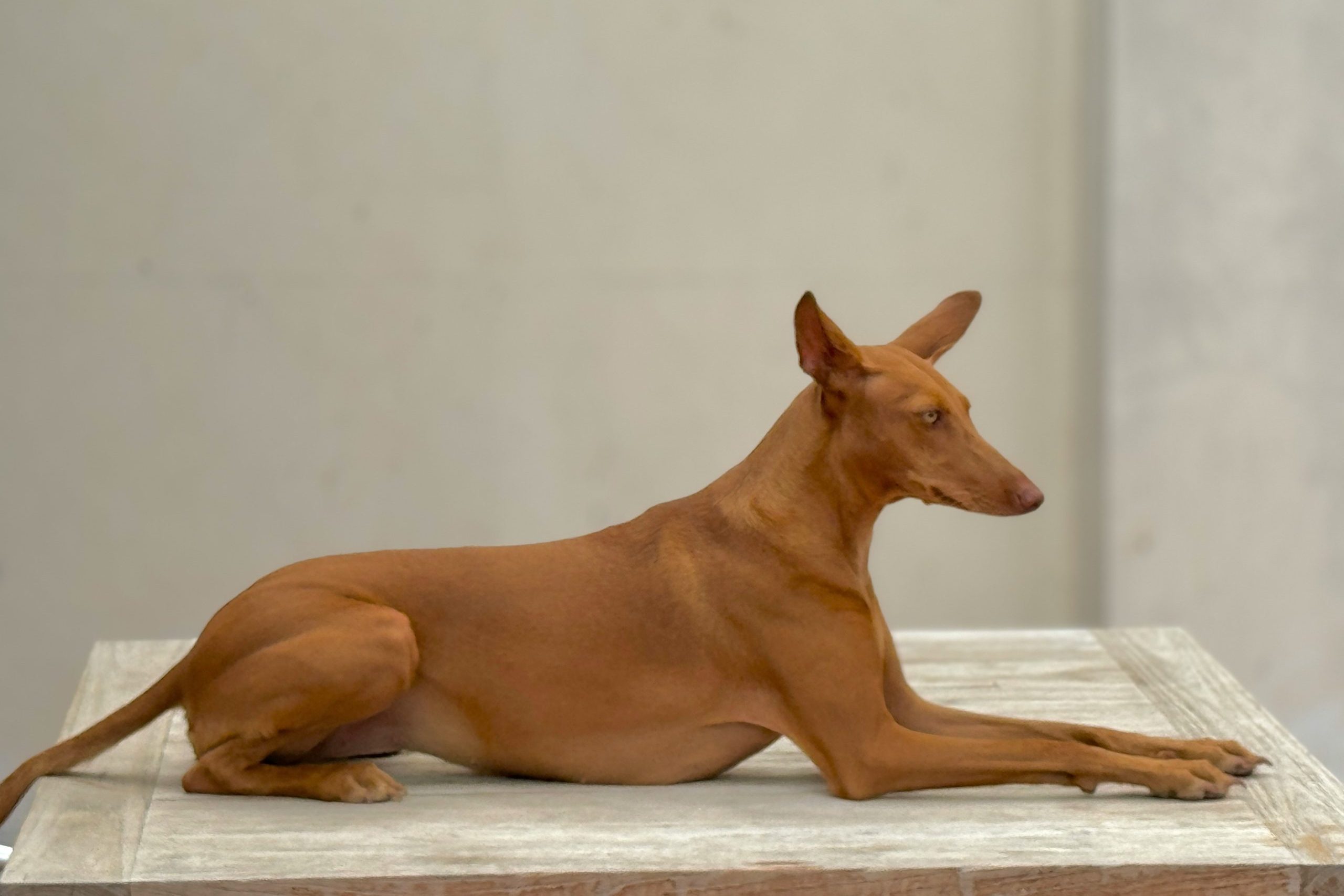
Pure Breds
- Healthier and Longer Lifespans – Mixed breeds benefit from a wider gene pool, reducing inherited diseases, lowering vet costs, and often living longer than purebreds.
- Unique Appearance – Each mixed breed has a one-of-a-kind look that sets them apart from any single breed.
- Adaptable Temperament – Their blended traits often make them balanced, flexible, and easier to fit into different family lifestyles.
- Ethical Adoption – Choosing a mixed breed saves a shelter dog’s life, discourages puppy mills, and provides a grateful, loving companion.
- Practical Advantages – They are usually less expensive to adopt and shelters offer a wide variety of options to match your lifestyle.
- Predictable Traits – Purebred dogs have consistent size, coat, energy level, and temperament, making it easier to choose one that fits your lifestyle.
- Health Risks – Selective breeding can amplify genetic defects and inherited conditions (like hip dysplasia, epilepsy, or heart disease), especially in breeds with narrow gene pools.
- Community Support – Owners gain access to strong breed clubs, forums, and resources for training, health, and care.
- Ethical Concerns – The demand for purebreds can fuel puppy mills and irresponsible breeding practices.
- Higher Costs – Purebreds often come with a high purchase price and potentially costly vet bills due to breed-specific health issues.
Mixed Breeds Come Out On Top!
Mixed-breed dogs truly do fit the bill. Since their gene pool isn’t as limited as that of purebreds, they typically have fewer genetic problems and live longer, happier lives. Furthermore, each mixed breed is unique in both appearance and personality, which makes them extremely capable of adjusting to a variety of homes and lifestyles. The best part, to be honest, is realizing that when you adopt a mixed breed, you’re giving a shelter dog a second chance and receiving a companion who is more devoted and appreciative than anyone else.
Purebred dogs, on the other hand, come with some many concerns. Their smaller gene pools often leads to serious health problems—issues like hip dysplasia, heart disease, kidney stones, or breathing issues that can cause a lifetime of vet visits. Many breeds were created for looks or specific traits, and while that predictability might sound nice, it can come at the cost of the dog’s well-being. Add in the fact that the demand for purebreds can feed into puppy mills and irresponsible breeding, and it’s easy to see why they’re not always the best option.
At the end of the day, mixed breeds bring the best of everything. They’re healthier, more affordable, and full of personality. You’re not just getting a dog—you’re saving a life, gaining a companion who’s endlessly grateful, and adding a little more uniqueness to your world. Mixed breeds aren’t just a good choice—they’re the best choice.
How to Get a Mixed Breed of Your Own

Adopt
There are so many fantastic dogs in shelters across America looking for their fur-ever homes. From big to small, each one is waiting for their person to find them. Many animal shelters and humane societies are crowded with great animals who get overlooked every day.
If you or your family are looking to get a dog, visit your local shelter and see what great pups are there!
Or if you simply need some puppy love, volenteer at your local facility!
Find a Breeder
While not the first option you should explore, some families have extenuating circumstances that require a specific set of traits in a dog. Whether it’s allergies, small children, or other animals in the home—purchasing a dog from a breeder is a good option.
Before buying a dog, do your research into the breeders to ensure they are legally and ethically breeding their dogs. Many backyard breeders cannot guarantee the health of their animals or even run puppy mills. Make sure your breeder is licensed and has the proper paperwork before purchasing your puppy!

Where to Find Mixed Breeds for Adoption




Add a Patchwork Pup to Your Life Today!
Mixed breeds are the perfect dogs for individuals, couples, and families. Visit your local shelter now to meet some of the best mutts the world has to offer! From Doodles to Golden-Mixes, there is a mixed-breed to fit your lifestyle@